Safety Considerations for Commercial Concrete Sawing and Removal
People seeking commercial concrete sawing and removal often want safe, efficient services, and local contractors can ensure proper safety measures are followed throughout the job.
If you're exploring safety considerations for commercial concrete sawing and removal, you're in the right place. Property owners in the area often face challenges when it comes to modifying or removing concrete structures, whether for renovations, repairs, or new installations. Ensuring safety during these projects is essential to protect workers, nearby occupants, and the integrity of the surrounding environment. Understanding the practical aspects of safety can help prevent accidents, reduce downtime, and promote smoother project completion, which is why many turn to experienced local contractors who prioritize safety protocols and proper equipment handling.
Keeping safety at the forefront is especially important given the potential hazards involved in concrete sawing and removal. Local service providers are well-versed in the best practices to minimize risks, such as controlling dust and debris, managing vibrations, and handling heavy machinery responsibly. By working with these professionals, property owners can ensure that safety considerations are integrated into every phase of the project, leading to safer work sites and more efficient results. Continue reading to learn more about how safety practices are applied during commercial concrete sawing and removal, and how local experts can help meet your project’s safety needs.
- Commercial building renovations - when structural modifications require precise concrete cutting, local contractors prioritize safety considerations for commercial concrete sawing and removal to prevent damage and accidents. Floor opening installations - for installing new utility access points, local pros implement safety measures during concrete sawing and removal to protect workers and surrounding structures. Parking lot modifications - when altering existing pavement, local contractors focus on safety considerations for commercial concrete sawing and removal to minimize hazards and ensure stability. Foundation modifications - during structural adjustments, local pros emphasize safety precautions in concrete sawing and removal to prevent compromising building integrity. Underground utility work - for accessing or relocating utilities beneath concrete surfaces, local contractors follow safety considerations for commercial concrete sawing and removal to avoid accidents and service disruptions.
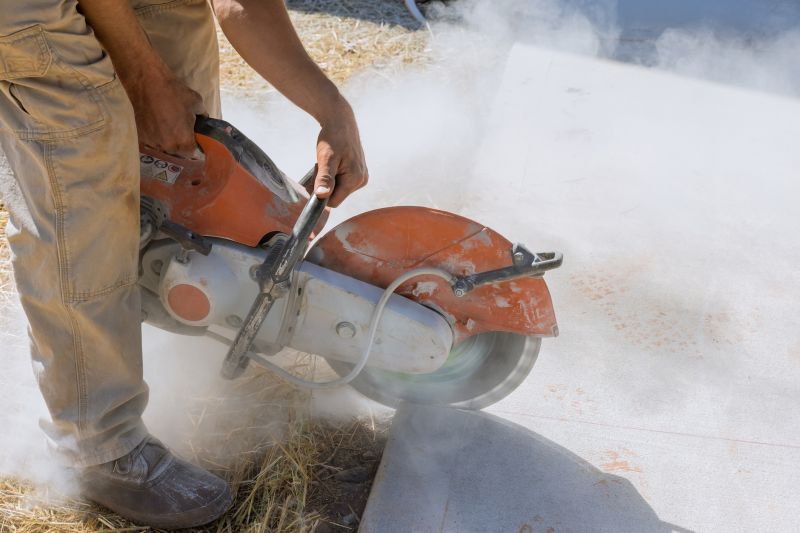
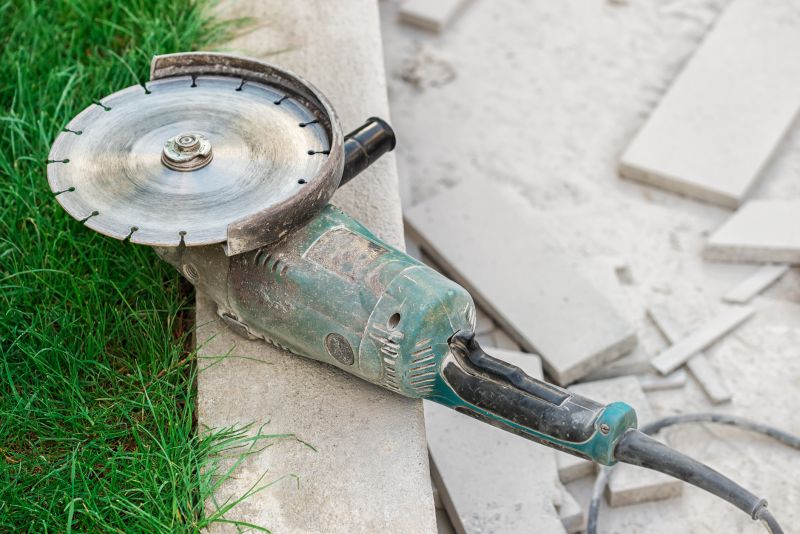
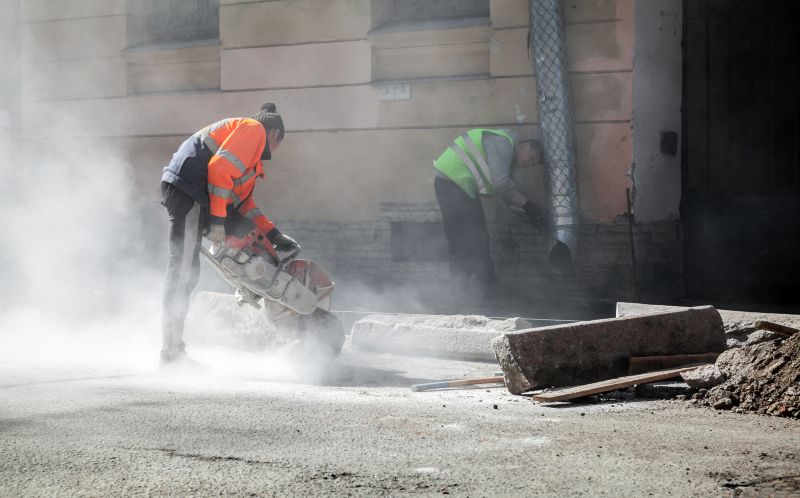
When people search for safety considerations for commercial concrete sawing and removal, they are often looking to understand the potential hazards associated with these types of projects. This topic typically comes up in the context of planning large-scale renovations, building modifications, or infrastructure upgrades that require cutting through concrete structures. Property owners and project managers want to ensure that the work is carried out without accidents or injuries, especially since concrete sawing involves heavy equipment, high-powered blades, and sometimes complex access points. Understanding safety considerations helps prevent incidents that could lead to property damage, worker injury, or project delays, making it a crucial aspect of any concrete removal plan.
These safety concerns are closely linked to various problems or project plans, such as cutting through floors, walls, or foundations to install utilities, create openings for doors or windows, or remove damaged concrete sections. Proper safety measures are essential to avoid accidents caused by flying debris, dust inhalation, or equipment malfunction. Additionally, safety considerations influence how the work is scheduled and executed, ensuring that the site remains secure and that surrounding structures are protected from accidental damage. For property owners, addressing these safety issues upfront helps in coordinating with local service providers who are experienced in adhering to safety protocols during concrete sawing and removal.
The types of properties typically involved in these projects are diverse, including commercial buildings, industrial facilities, warehouses, and large retail spaces. These properties often have extensive concrete surfaces that require cutting or removal for renovations, expansions, or repairs. In some cases, structural modifications in parking garages or basements also necessitate concrete sawing. Because these projects often involve significant structural elements, safety considerations become even more critical to prevent unintended collapses or damage. Local contractors experienced in commercial concrete sawing and removal understand how to navigate these complex environments safely, using appropriate equipment and techniques to minimize risks.
For property owners and project planners, understanding safety considerations for commercial concrete sawing and removal helps in choosing the right service providers. Experienced local pros are equipped to handle the safety challenges of these projects by implementing proper procedures and using specialized tools designed for safe operation. They can assess the project site for potential hazards, recommend appropriate safety measures, and execute the work with attention to safety protocols. Connecting with qualified service providers ensures that concrete removal is completed efficiently while maintaining safety standards, reducing the likelihood of accidents, and protecting both workers and property throughout the process.
Demolition projects - local contractors handling building demolitions often require similar safety planning and equipment use as concrete sawing and removal to ensure site safety and compliance.
Road and highway construction - these projects involve cutting through pavement and concrete, requiring precise planning and safety measures comparable to commercial concrete sawing services.
Structural retrofitting - when modifying existing structures, specialists use cutting tools and safety protocols similar to those used in concrete removal tasks to protect workers and surrounding areas.
Utility installation and repair - installing or repairing underground utilities often involves cutting through concrete or asphalt, making safety considerations similar to concrete sawing essential.
Bridge repair and maintenance - these projects involve cutting and removal of concrete components, requiring careful safety planning by local service providers to prevent accidents.
Architectural concrete modifications - altering or removing concrete features in buildings involves specialized tools and safety precautions akin to commercial concrete sawing and removal services.
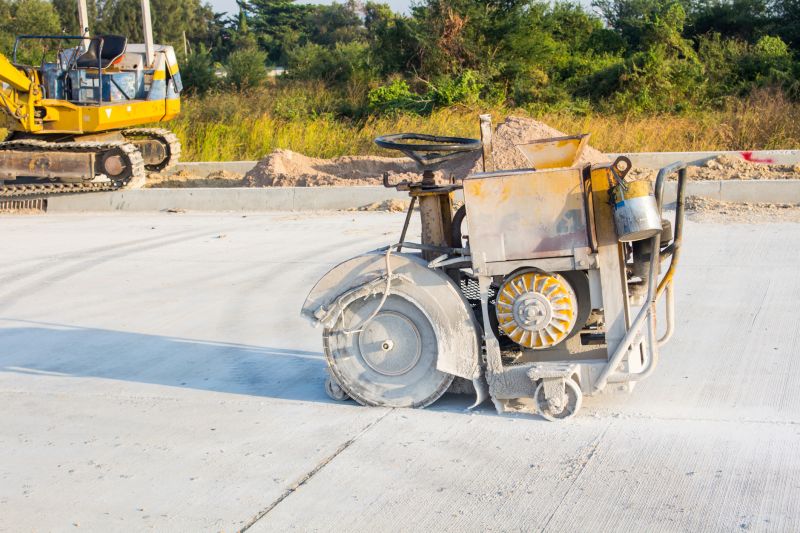
When evaluating commercial concrete sawing and removal service providers, it is important to consider their experience with projects similar to the one at hand. Contractors with a proven track record in handling comparable tasks are more likely to be familiar with the safety considerations specific to those jobs. This experience can help ensure that the work is performed efficiently while adhering to necessary safety protocols, reducing the risk of accidents or damage during the process.
Clear, written expectations are essential when comparing local contractors for concrete sawing and removal. A detailed scope of work, including safety procedures and precautions, helps establish a mutual understanding of responsibilities and standards. Well-defined expectations can also serve as a reference point if questions or concerns arise during the project, promoting transparency and accountability throughout the work.
Reputable references and strong communication skills are valuable indicators of a reliable service provider. Speaking with previous clients or reviewing references can provide insights into how a contractor manages safety considerations and handles unforeseen issues. Good communication ensures that questions about safety protocols and project specifics are addressed promptly, fostering a collaborative approach that prioritizes safety and minimizes potential hazards during concrete sawing and removal.
Property owners often search for safety considerations for commercial concrete sawing and removal when they are planning practical projects around their homes and businesses. Local pros provide Commercial Concrete Sawing and Removal services for everyday jobs and straightforward project options.

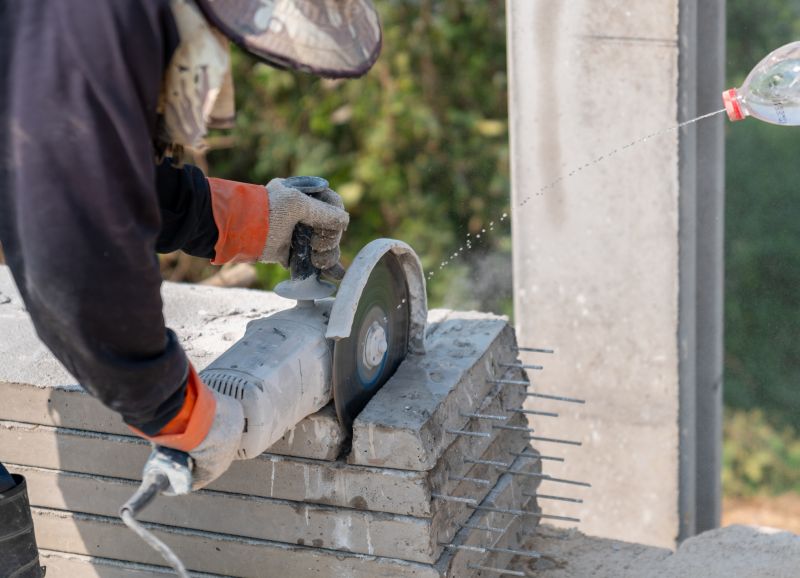
Safety considerations for commercial concrete sawing and removal are essential for property owners undertaking projects that involve cutting through or removing existing concrete structures. Whether installing new utilities, making renovations, or removing damaged sections, understanding the potential hazards can help prevent accidents and property damage. Local contractors experienced in concrete sawing and removal are equipped with the knowledge and tools to manage these safety concerns effectively, ensuring that the work is completed with appropriate precautions in place. Engaging skilled service providers can help property owners navigate the complexities of safety protocols, such as controlling dust, managing debris, and safeguarding nearby structures and individuals.
Many property owners in the area seek out professional concrete sawing and removal services to handle projects safely and efficiently. These local service providers are familiar with the common safety considerations for commercial concrete sawing and removal, which can include the proper use of equipment, awareness of underground utilities, and maintaining a safe work environment. By working with experienced contractors, property owners can reduce the risk of accidents, ensure compliance with safety standards, and achieve a smoother project process. Connecting with local pros can provide peace of mind that the job is being handled responsibly, with safety as a top priority.
What safety equipment should be used during commercial concrete sawing and removal? Local contractors typically recommend the use of personal protective equipment such as eye protection, hearing protection, dust masks or respirators, gloves, and appropriate clothing to ensure safety during the process.
How do professionals minimize dust and debris during concrete removal? Service providers often utilize dust suppression methods like water sprays or vacuum attachments to control dust and reduce airborne particles, promoting safer work environments.
Are there safety considerations related to the type of concrete being cut? Yes, different concrete compositions or embedded materials may pose specific hazards; experienced contractors assess these factors to determine the safest sawing techniques and precautions.
What precautions are taken to prevent damage to surrounding structures? Local pros evaluate the site and employ precise cutting methods, along with protective barriers or shields, to prevent accidental damage to nearby structures or utilities.
Why is it important to hire experienced service providers for concrete sawing and removal safety? Experienced contractors are familiar with safety protocols, proper equipment handling, and hazard identification, which helps ensure the work is performed safely and effectively.
Proper equipment handling - Ensuring equipment is operated correctly can prevent accidents and injuries during concrete sawing and removal projects, and local contractors can provide guidance on safe operation.
Site assessment and planning - Conducting a thorough assessment of the work area helps identify potential hazards, allowing property owners to work with service providers to develop safe procedures.
Protective barriers and signage - Using barriers and warning signs around the work zone can keep bystanders safe, with local pros assisting in setting up appropriate safety measures.
Dust and debris control - Managing dust and debris minimizes health risks and property damage, and experienced contractors can implement effective containment strategies.
If you are thinking about safety considerations for commercial concrete sawing and removal for a property, this guide is meant to help you understand this topic, the typical project types, and how different options might fit your plans.
When you are ready, you can use the quote form on this page to share a few details about your project. From there, local pros can review the basics and follow up with options that match what you have in mind.